Preview footage from the 2025 impact stories
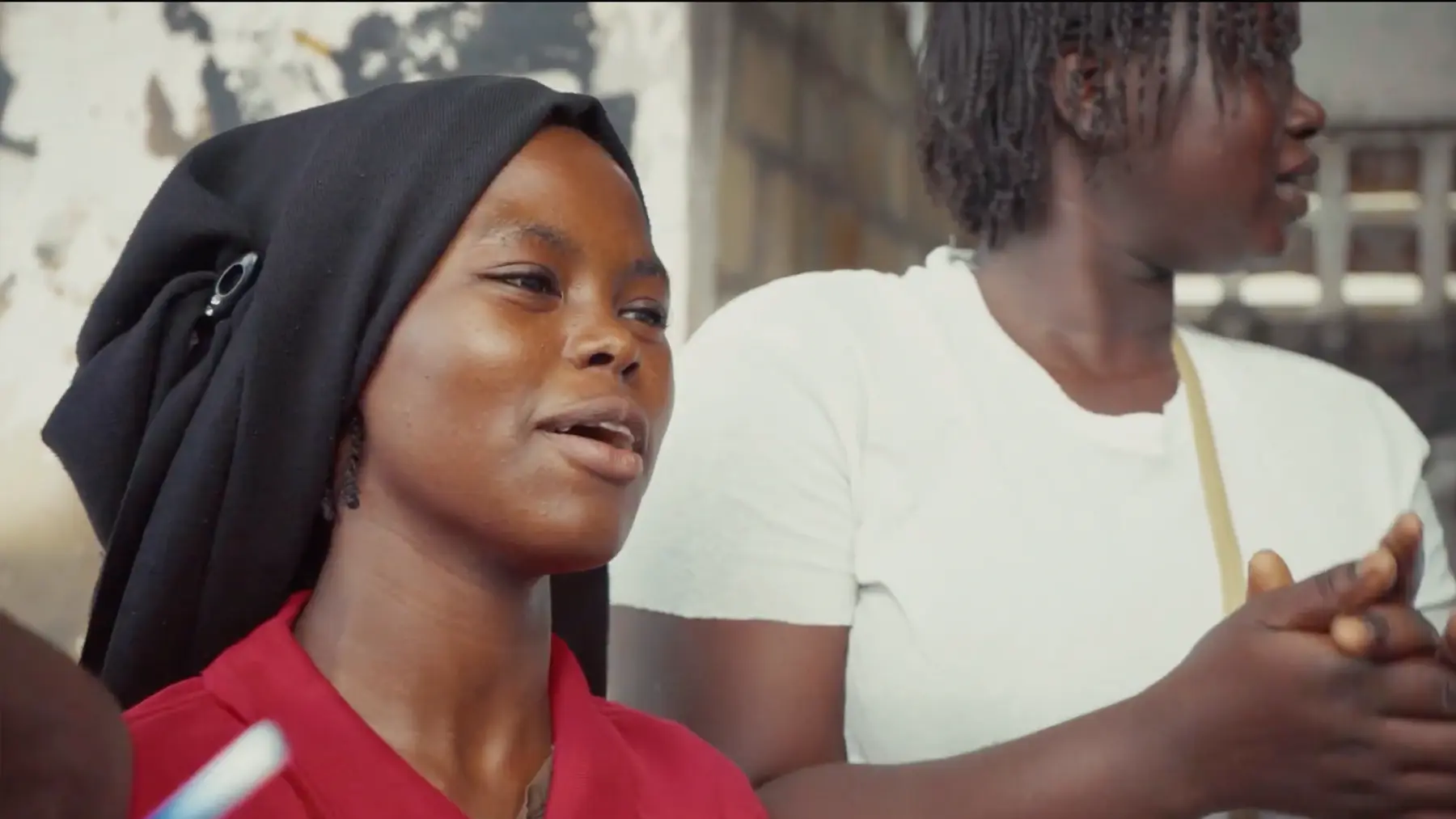
Coumba's Story
Young champion to end FGM/C, Sédhiou, Senegal
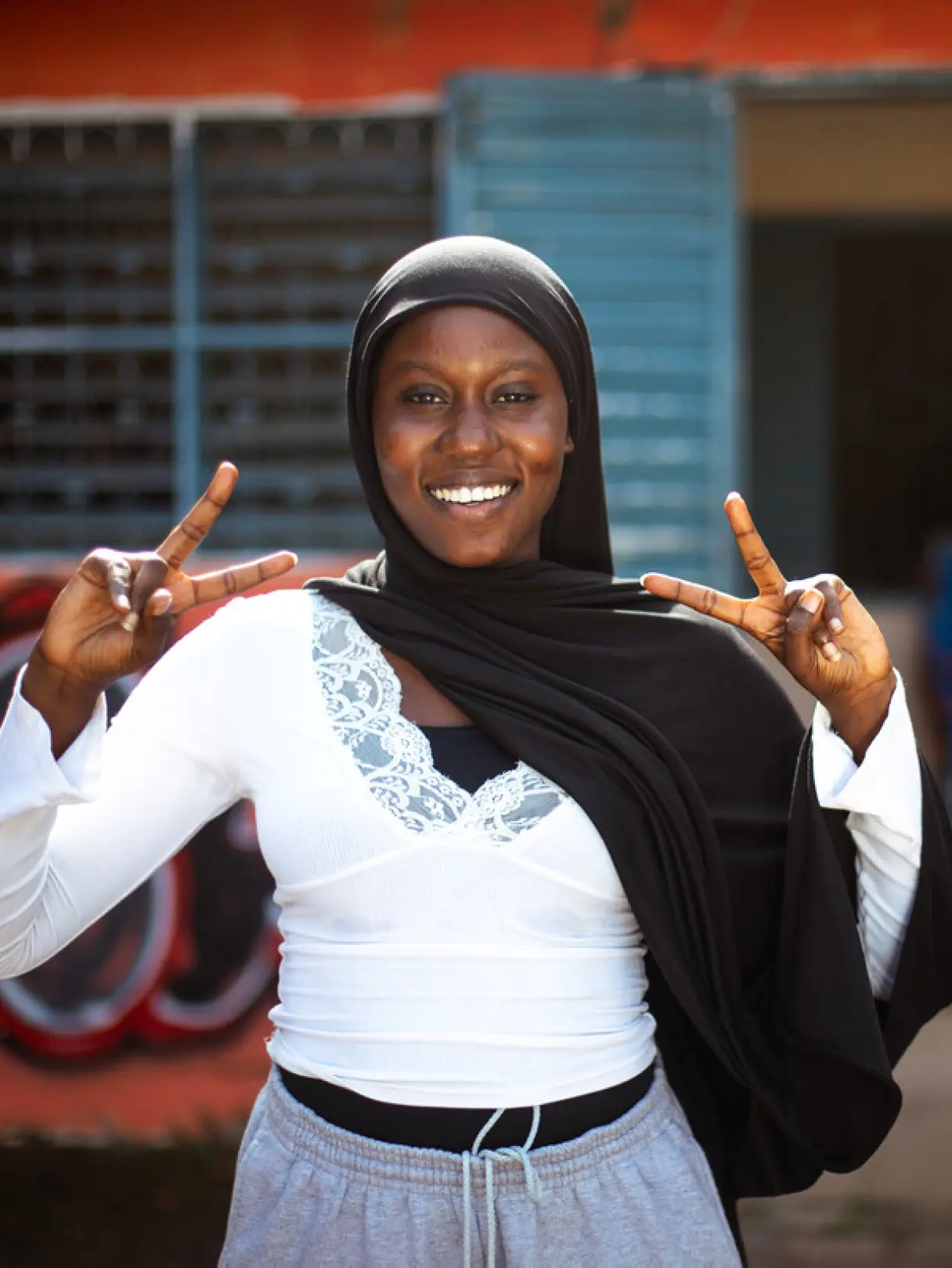
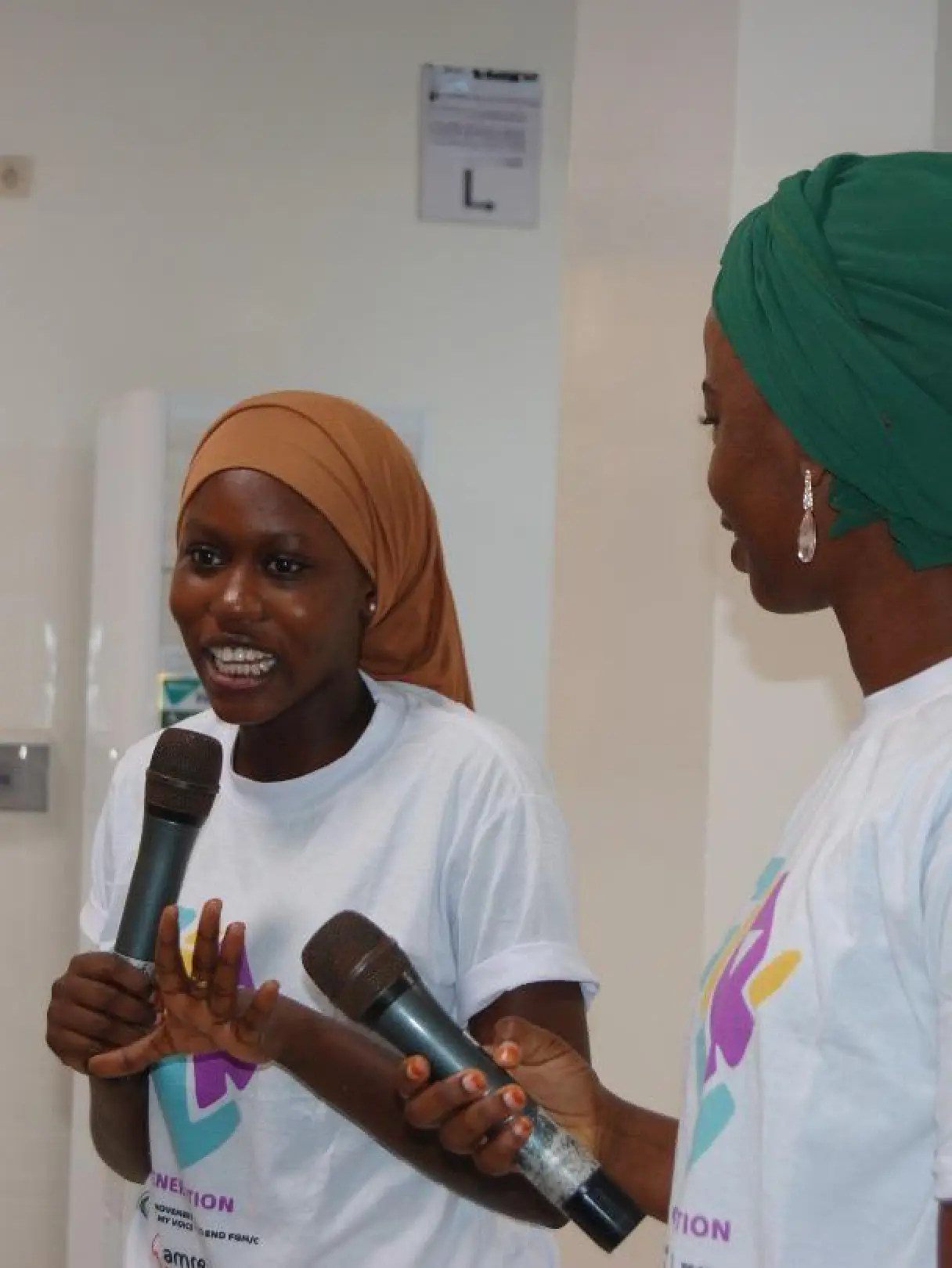
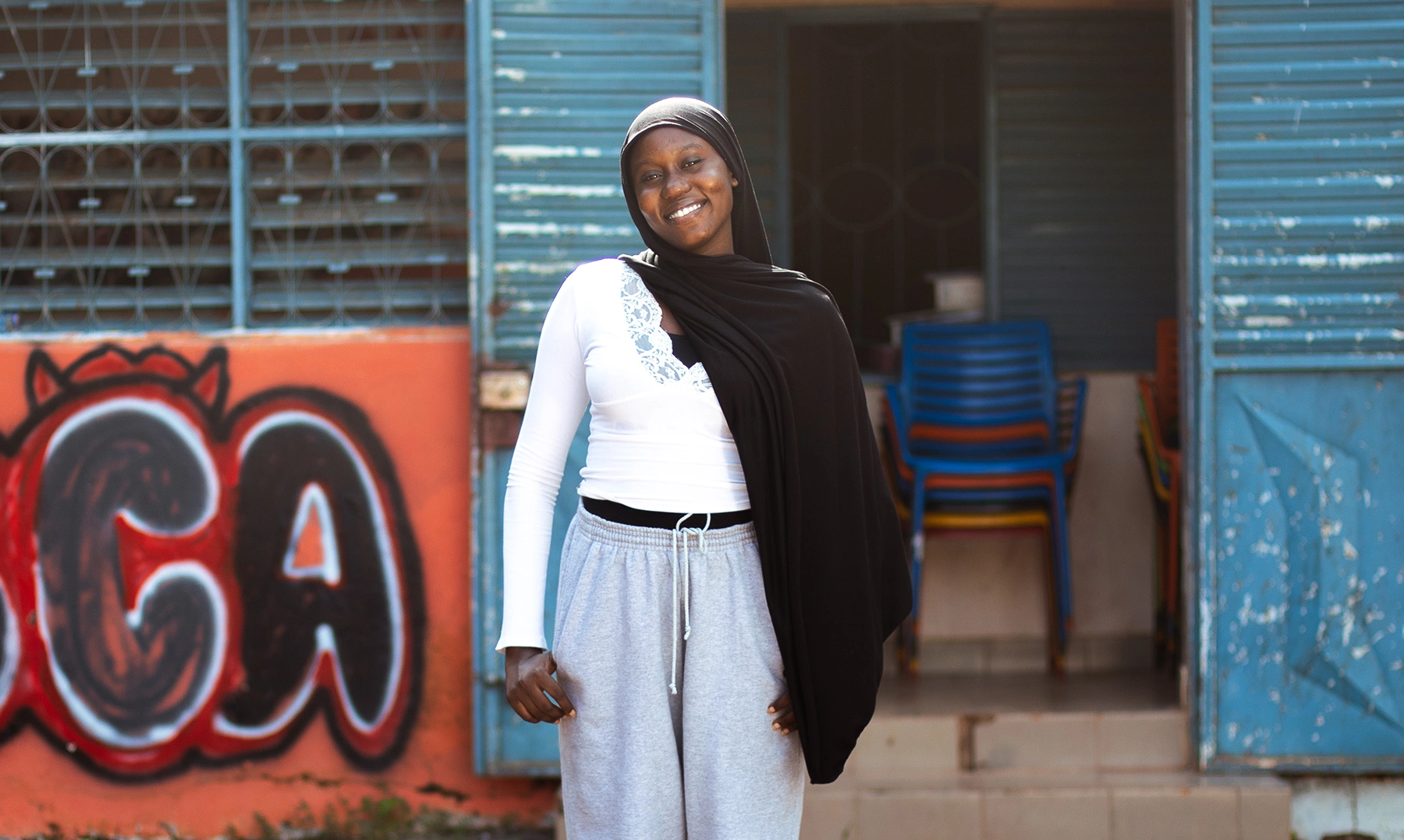
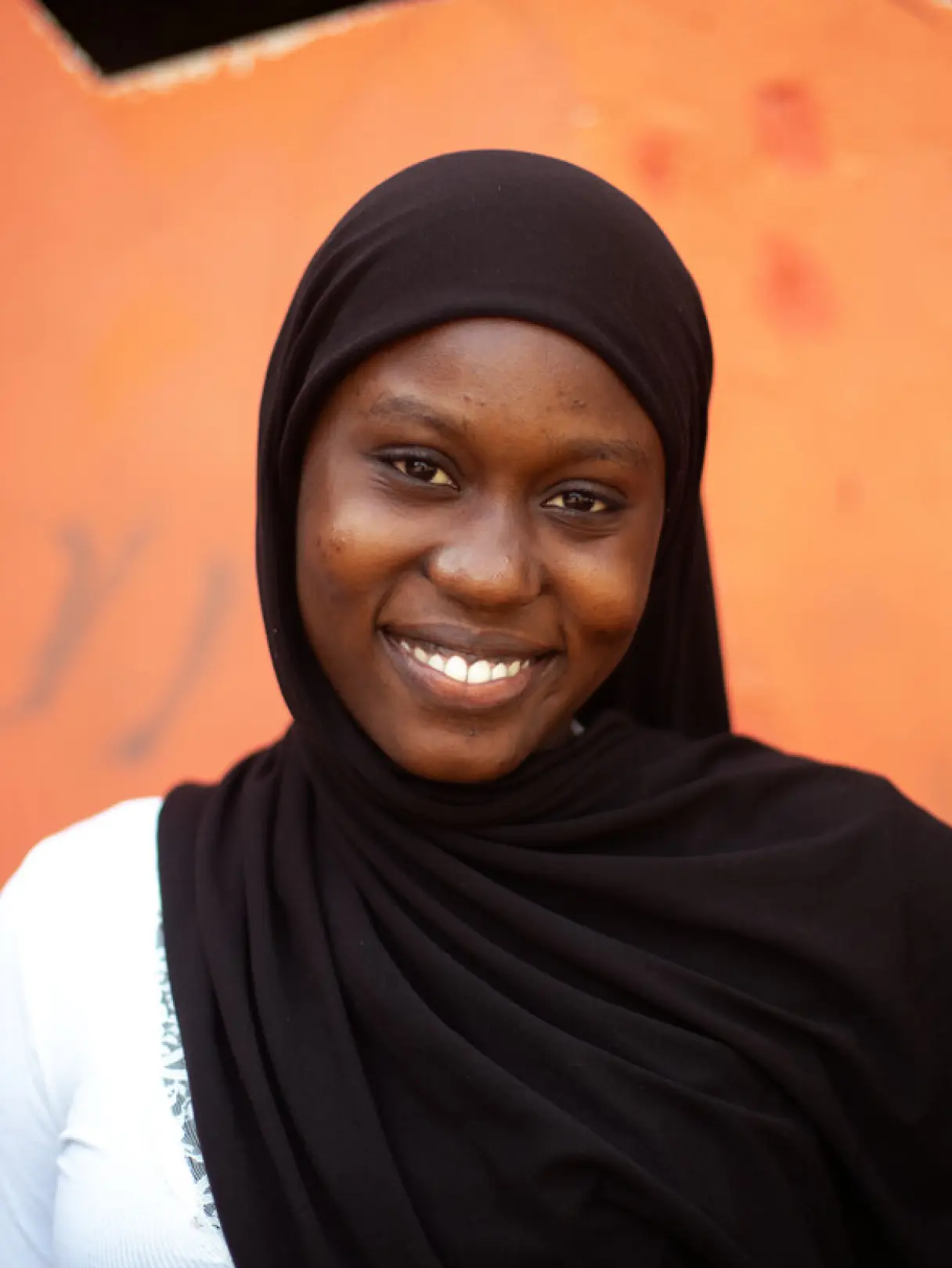
My name is Coumba Aw, and I am a young leader at the Sédhiou Adolescent Counselling Centre in Sédhiou, Senegal.
I am also president of The Girl Council, which is part of the Girl Generation programme.
The Girl Generation is a programme that aims to help communities abandon female genital mutilation [or cutting, FGM/C]. This has led to a change in behaviour, a dialogue between the old generation and the new generation, to find common ground on the abandonment of FGM/C.
This project is important for the girls and women in my community because it gives them a space which allows them to free themselves from these practices, because we know that these practices [are] taboo in my community.
Currently, I am a business management student with a focus on marketing and communication. I also do my volunteer work with the Girl Generation programme and the Adolescent Counseling Center. My ambition is to establish my own foundation in five years.
I want to lead projects that promote gender equality and create a world where women and girls can exercise their rights freely, without discrimination or harassment.
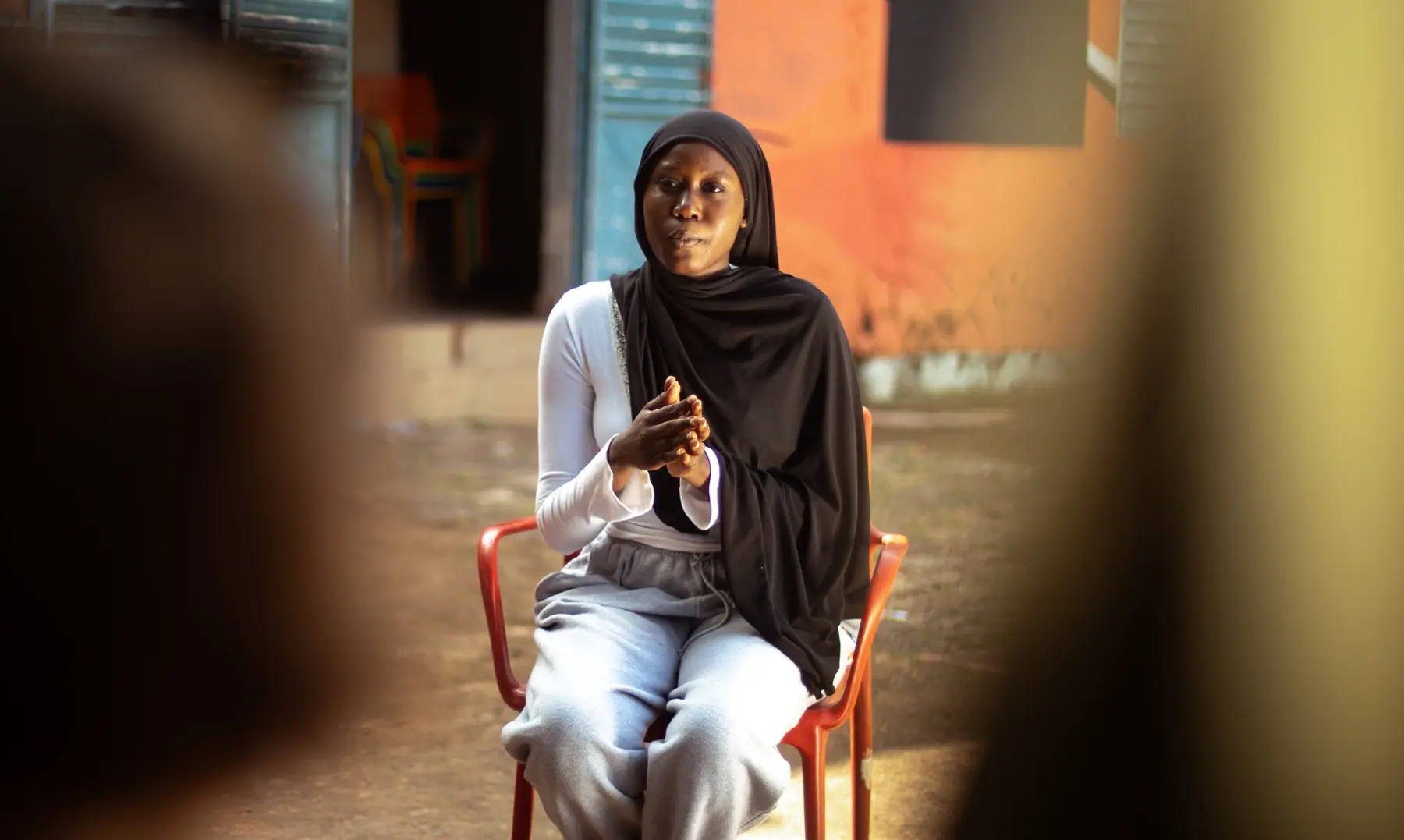
How I came to be an end FGM/C champion.
My grandmother, my mother, and other relatives, have experienced [excommunication or isolation from the community] due to their stance against FGM/C.
This has shaped my perspective in two ways. First, it has allowed me to live among survivors, understand their experiences, and recognise the long-term consequences of this practice. Second, as a young activist, it strengthens my commitment to this cause.
The Girl Generation approach is to empower young girls through dialogue, while ensuring their involvement in decision-making spaces to drive behavioural change. [This is the way to] a future where women and girls can fully exercise their rights and responsibilities without discrimination.
I want to tell you a success story.
In the Girl Generation, we tend to target a few neighbourhoods [for education and awareness activities]. In one of these neighbourhoods, we carried out intergenerational and community dialogues. During these activities, a young girl approached us and shared her concerns about FGM/C.
She told us that she comes from a very large family which practices FGM/C. [She knew that] in a few days, it was supposed to be her turn. With the help of our technicians and experts from the Adolescent Counselling Centre and the Girl Generation programme, we were able to take action to help her.
 Coumba: How I started my End FGM/C journey
Coumba: What I want you to know about Senegal
Coumba's hopes and wishes for the future
Coumba: How I started my End FGM/C journey
Coumba: What I want you to know about Senegal
Coumba's hopes and wishes for the future
Here’s how we saved a girl from FGM/C.
During our activities, we invite religious leaders, such as the imam, as well as health personnel, to address FGM/C. The imam explained that this practice does not originate from religious teachings but rather from different traditions.
Health professionals also emphasized the severe consequences that FGM/C can have in both the short and long term.
We also encourage young girls and parents to have open discussions, particularly with their mothers. In this particular case, the girl was able to talk to her mother, expressing her concerns about the practice. This conversation helped her mother become aware of the dangers of FGM/C and inspired her to encourage change.
These interventions helped the girl [to get the knowledge she needed to advocate for herself and] escape the procedure.
Today, this girl is an advocate for gender equality. [She is able to] envision a world where girls and women can exercise their rights freely. Her experience has profoundly changed her daily life, allowing her to understand the impact of social norms on her community.
I feel an immense sense of pride seeing this transformation. It reassures us that the work we do—going into the field every day and engaging with the community—is not in vain.
Our efforts have a tangible impact, and we always prioritise dialogue as a means of change.
All images © Amref Health Africa/Jaques Manga
Beyondthe Stories
We believe that health is a human right and the key to a brighter future.
About Amref